Japanese Climbing Hydrangea: The Versatile Vine That Will Add Beauty To Your Garden
Japanese Climbing Hydrangea: The Versatile Vine That Will Add Beauty to Your Garden
Japanese climbing hydrangea (Schizophragma hydrangeoides) is a beautiful and versatile vine that can add a touch of elegance to any garden. It is native to Korea and Japan, and is hardy in USDA zones 4-9. This vine can grow up to 30 feet long, and its delicate white flowers bloom in mid-summer. Japanese climbing hydrangea is relatively easy to care for, and it prefers partial shade and moist, well-drained soil.
Here are some of the benefits of adding Japanese climbing hydrangea to your garden:
- Beautiful flowers: Japanese climbing hydrangea produces large clusters of white flowers that bloom in mid-summer. The flowers are fragrant and attract butterflies and other pollinators.

- Versatile: Japanese climbing hydrangea can be trained to grow on a variety of structures, including walls, fences, arbors, and trellises. It can also be grown as groundcover.
- Easy to care for: Japanese climbing hydrangea is relatively easy to care for. It prefers partial shade and moist, well-drained soil. It is drought tolerant once established, but it will benefit from regular watering during the summer months.
- Decorative foliage: Japanese climbing hydrangea has attractive foliage throughout the growing season. The leaves are dark green in summer and turn yellow in fall.
- Winter interest: The bark of Japanese climbing hydrangea exfoliates in winter, providing additional interest to the garden.
If you are looking for a beautiful and versatile vine to add to your garden, Japanese climbing hydrangea is a great option. It is easy to care for, and it will provide you with years of enjoyment.
Here are some tips for planting and caring for Japanese climbing hydrangea:
- Choose a location that receives partial shade. Japanese climbing hydrangea can tolerate full sun, but it will produce more flowers in partial shade.
- Plant in moist, well-drained soil. Japanese climbing hydrangea is drought tolerant once established, but it will benefit from regular watering during the summer months.
- Fertilize in spring with a balanced fertilizer.
- Prune in late winter or early spring to remove dead or damaged branches.
- Protect from strong winds. Japanese climbing hydrangea can be damaged by strong winds, so it is a good idea to train it on a sturdy structure.
With proper care, Japanese climbing hydrangea will thrive in your garden for many years to come.
If you're looking for a beautiful and versatile vine to add to your garden, consider the Japanese climbing hydrangea (Schizophragma hydrangeoides). This hardy plant is native to Japan and Korea, and it's known for its large, showy white flowers that bloom in early summer. Japanese climbing hydrangeas can grow up to 30 feet tall, and they're perfect for covering walls, arbors, or pergolas. They're also tolerant of a variety of soil conditions and light levels, making them a great choice for gardeners of all skill levels.
If you're interested in learning more about Japanese climbing hydrangeas, I recommend visiting . This website has a wealth of information about the plant, including its care requirements, propagation methods, and pest and disease control. You can also find photos and videos of Japanese climbing hydrangeas in bloom.
FAQ of japanese climbing hydrangea
- When does Japanese climbing hydrangea flower?
Japanese climbing hydrangea typically blooms in late spring or summer. The flowers can last for several weeks, and they come in a variety of colors, including white, pink, and blue.
- How much sun does Japanese climbing hydrangea need?
Japanese climbing hydrangea prefers full sun, but it can tolerate partial shade. If you live in a hot climate, you may want to plant it in a location that receives afternoon shade.
- How much water does Japanese climbing hydrangea need?
Japanese climbing hydrangea needs regular watering, especially during the first year after planting. Once it is established, it can tolerate some drought conditions. However, it is best to water it deeply once a week during the summer months.
- How do I fertilize Japanese climbing hydrangea?
Japanese climbing hydrangea should be fertilized in the spring with a balanced fertilizer. You can use a slow-release fertilizer or a liquid fertilizer. Apply the fertilizer according to the directions on the label.
- How do I prune Japanese climbing hydrangea?
Japanese climbing hydrangea should be pruned in the spring, before it blooms. You can remove dead or damaged branches, as well as any branches that are crossing or rubbing against each other. You can also trim the plant to keep it in shape.
Image of japanese climbing hydrangea
5 different images of Japanese climbing hydrangea from Pinterest:
- Image 1: A white Japanese climbing hydrangea cascading down a wall.
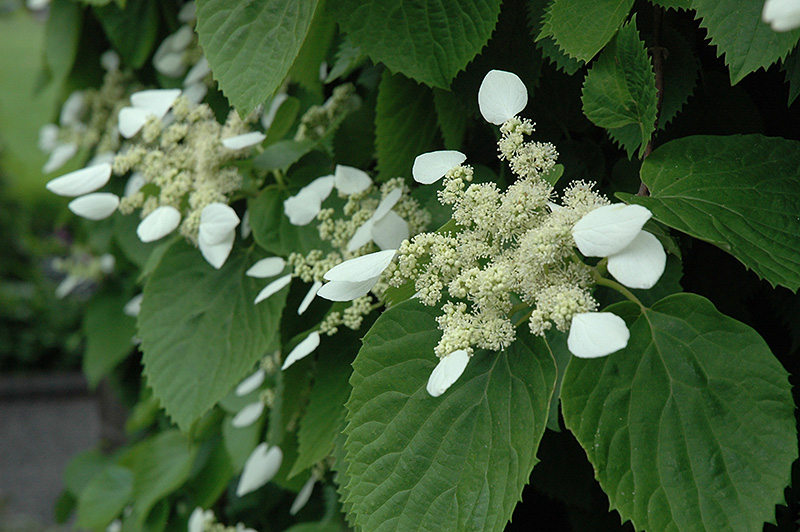
- Image 2: A pink Japanese climbing hydrangea in full bloom.

- Image 3: A blue Japanese climbing hydrangea with dark green leaves.

- Image 4: A Japanese climbing hydrangea with white flowers and pink edges.
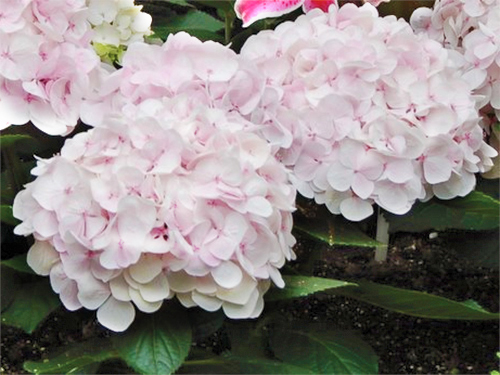
- Image 5: A Japanese climbing hydrangea with light pink flowers and dark green leaves.

Post a Comment for "Japanese Climbing Hydrangea: The Versatile Vine That Will Add Beauty To Your Garden"