Autumn Olive: The Invasive Shrub That's Taking Over Our Landscapes
Autumn Olive: The Invasive Shrub That's Taking Over Our Landscapes
Autumn olive (Elaeagnus umbellata) is a deciduous shrub native to Asia that was introduced to North America in the early 1800s. It was originally planted for a variety of purposes, including erosion control, wildlife habitat, and ornamental landscaping. However, autumn olive has since become an invasive species in many parts of the United States, displacing native plants and disrupting natural ecosystems.
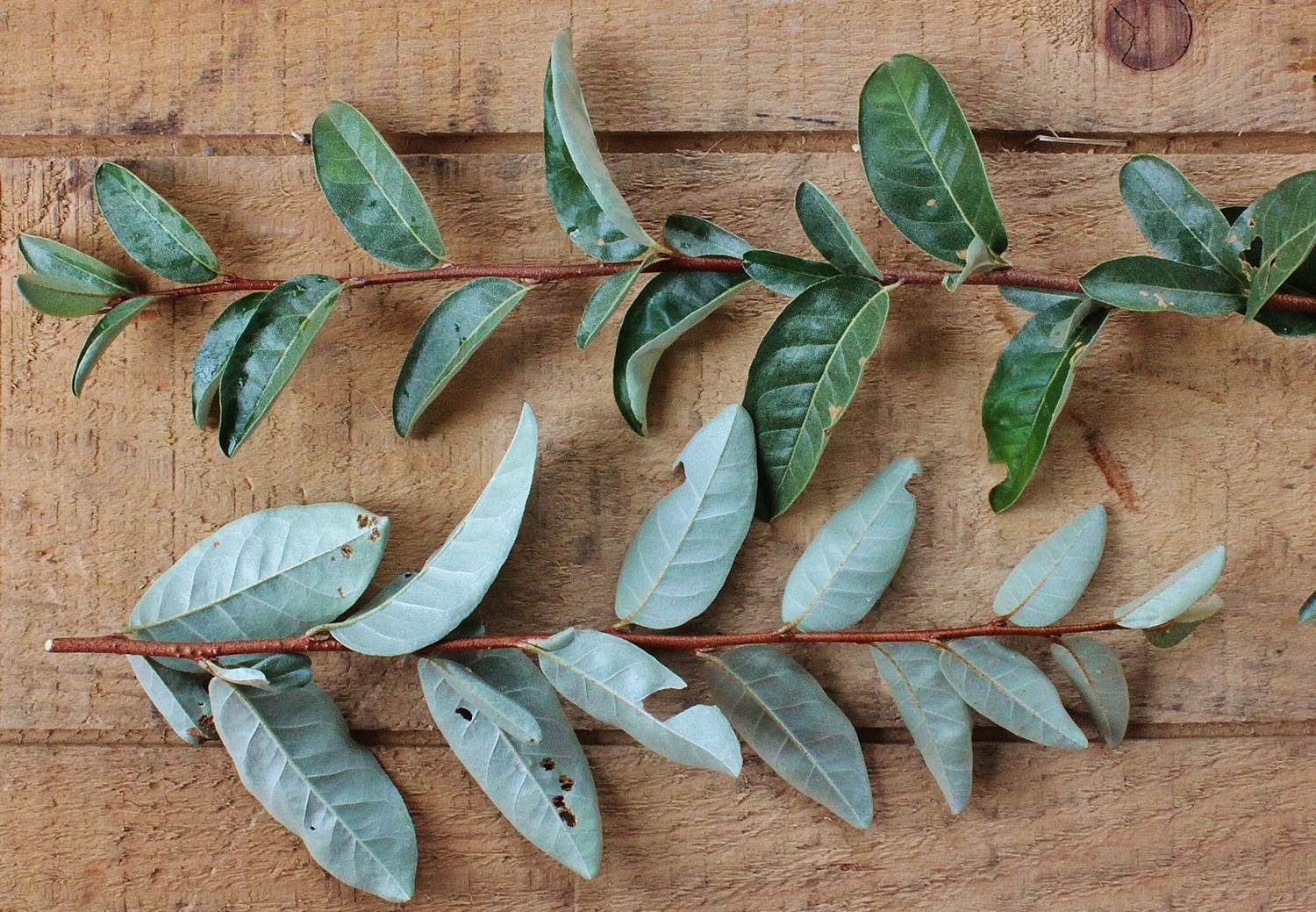
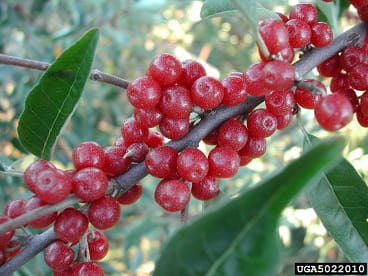
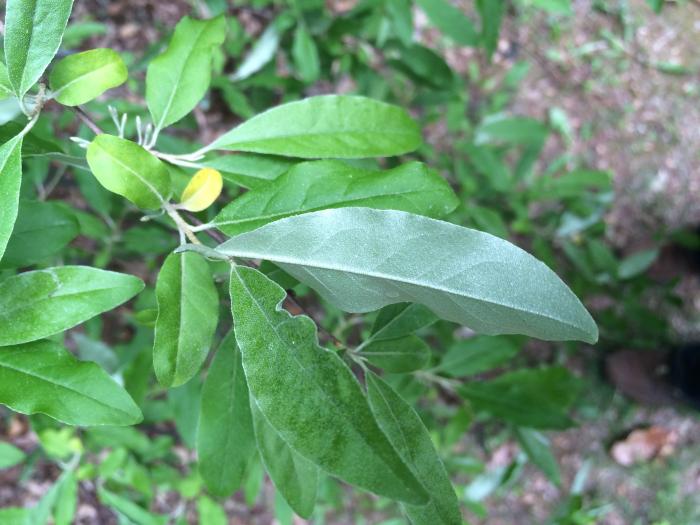
Autumn olive is a fast-growing shrub that can reach heights of up to 15 feet. It has silvery-green leaves and clusters of small, yellow flowers that bloom in the spring. In the fall, the leaves turn a bright red or orange color. Autumn olive produces an abundance of small, red berries that are eaten by birds and other wildlife.
The main reason why autumn olive is considered an invasive species is because it is so aggressive. It can quickly spread by seed or by root sprouts, and it can outcompete native plants for sunlight, water, and nutrients. Autumn olive also produces chemicals that can inhibit the growth of other plants. As a result, autumn olive can quickly form dense thickets that crowd out native plants and reduce biodiversity.
Autumn olive can also have a negative impact on wildlife. The dense thickets of autumn olive can make it difficult for animals to find food and shelter. The berries of autumn olive are not a preferred food for many animals, and the leaves can be toxic to some animals, such as deer.
In addition to its environmental impact, autumn olive can also cause problems for homeowners. The dense thickets of autumn olive can block sunlight and make it difficult to see into yards. The berries of autumn olive can stain sidewalks and driveways. And the roots of autumn olive can damage foundations and septic systems.
If you have autumn olive on your property, there are a number of things you can do to control it. One option is to hand-pull the seedlings as soon as you see them. You can also cut down mature plants, but be sure to remove the stumps and roots as well. If the infestation is large, you may need to hire a professional to remove the autumn olive.
There are also a number of herbicides that can be used to control autumn olive. However, it is important to use these herbicides carefully, as they can also harm native plants.
Prevention is the best way to deal with autumn olive. If you are planning to plant a shrub, be sure to choose a native plant that will not become invasive. You can also help to prevent the spread of autumn olive by not dumping yard waste in public areas.
Autumn olive is a serious invasive species, but it is not impossible to control. By taking steps to prevent the spread of autumn olive and by controlling existing infestations, we can help to protect our natural ecosystems and our own property.
Autumn olive (Elaeagnus umbellata) is a deciduous shrub native to Asia that has been introduced to North America and is now considered an invasive species in many parts of the country. It is a fast-growing plant that can quickly dominate disturbed areas, such as roadsides, forest edges, and abandoned fields. Autumn olive can displace native plants and reduce biodiversity.
If you are interested in learning more about autumn olive, I recommend visiting the website Garden Wiki. This website provides a wealth of information about the plant, including its identification, habitat, and invasive status. You can also find information about how to control autumn olive if it is growing in your area.
FAQ of autumn olive
- What is autumn olive?
Autumn olive (Elaeagnus umbellata) is an invasive shrub native to Asia. It is a fast-growing plant that can reach heights of up to 15 feet. Autumn olive has silvery-green leaves and produces small, yellow-orange berries in the fall.
- Where does autumn olive grow best?
Autumn olive grows best in disturbed areas, such as old fields, roadsides, and forest edges. It is also found in open woods and savannas. Autumn olive is moderately shade tolerant and can grow on a variety of soil types.
- Why is autumn olive considered an invasive species?
Autumn olive is considered an invasive species because it can outcompete native plants and alter the composition of plant communities. It can also reduce the diversity of wildlife in an area. Autumn olive can spread rapidly by seed and by root sprouts.
- How can I control autumn olive?
There are a number of ways to control autumn olive, including:
- Manual removal: This is the most effective way to control autumn olive, but it can be labor-intensive.
- Chemical treatment: There are a number of herbicides that can be used to kill autumn olive. However, it is important to use herbicides carefully and only in areas where autumn olive is a problem.
- Biological control: There are a number of insects and diseases that can be used to control autumn olive. However, biological control is not always effective and can take several years to show results.
- What are the benefits of autumn olive?
Autumn olive does have some benefits. It is a fast-growing plant that can provide food and shelter for wildlife. It can also be used as an ornamental shrub. However, the benefits of autumn olive are outweighed by its negative impacts as an invasive species.
Image of autumn olive
5 different images of autumn olive from Pinterest:
- Image 1: A close-up of the silvery young leaves of an autumn olive shrub.
- Image 2: A cluster of pale yellow flowers on an autumn olive shrub.

- Image 3: A branch of an autumn olive shrub with silvery, berrylike fruits that have turned red in autumn.
- Image 4: A mature autumn olive tree with silvery bark and green leaves.
- Image 5: A forest of autumn olive trees in autumn, with their leaves turning red and orange.


Post a Comment for "Autumn Olive: The Invasive Shrub That's Taking Over Our Landscapes"